Health is a word we use every day, yet many people find it surprisingly hard to define. For some, being healthy simply means not being sick. For others, it means having energy, peace of mind, or the ability to enjoy daily life.
If you have ever paused to ask yourself what is health, you are not alone. In reality, health is broader, deeper, and more personal than a single definition.
Understanding the definition of health is important because it shapes how we look after ourselves, how we understand and use health information, and how we interact with healthcare providers. At Health Explained Clearly, our aim is to explain health in calm, human language without fear, jargon, or confusion, so you can feel informed and confident. This explains one of our main reasons for presenting health information basics in a clear, structured, and easy-to-understand way.
Understanding health also involves recognising changes in how you feel over time, which is why tracking symptoms consistently can be such a helpful habit. For a clearer explanation of how to interpret these changes, you may find it helpful to read our guide on understanding symptoms and what they mean.
If you have ever wondered what doctors really mean when they talk about “your health,” we will walk you through it clearly and practically.
Health Definition: A Clear and Human Explanation
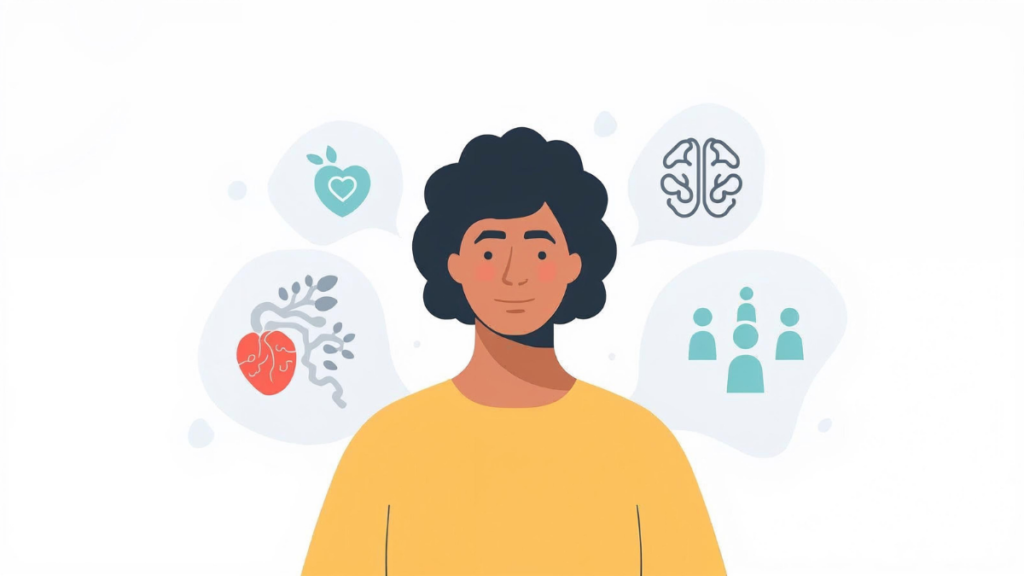
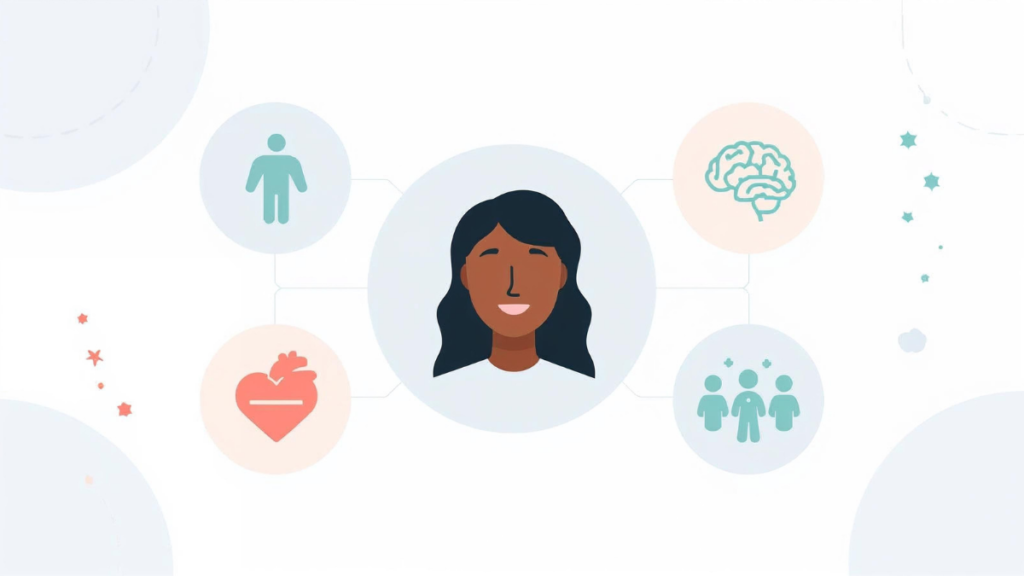
When clinicians talk about health, they are usually referring to a broader health definition that includes how the body, mind, and social life function together. It goes far beyond the absence of disease. Health describes a state of overall wellbeing that allows a person to live productively, cope with everyday stresses, and participate fully in life.
Put simply, health means:
-
Your body works reasonably well most of the time
-
Your mind can handle challenges and emotions
-
You feel supported and connected to others
Because of this, health is not something you either have or do not have. Instead, it exists on a spectrum and can change over time. Two people with the same medical condition may experience very different levels of health depending on lifestyle, support, and mental wellbeing.
For this reason, learning to notice and record changes in how you feel can be an important part of staying well. Many people find that tracking symptoms over time helps them understand patterns and seek care earlier.
How the Meaning of Health Has Changed Over Time
In the past, health was viewed in a narrow and practical way. If a person did not appear ill or disabled, they were considered healthy. Medical care focused mainly on diagnosing disease and treating symptoms once they appeared.
However, as time went on, this approach proved insufficient. People began living longer, often with long-term conditions such as diabetes, heart disease, or asthma. At the same time, mental health challenges and social stress became more visible.
As a result, health experts recognised that a person could be “disease-free” yet still struggle with fatigue, anxiety, loneliness, or poor quality of life. Therefore, health needed a broader definition—one that reflected real human experience, not just medical labels.
Today, modern healthcare places greater emphasis on prevention, early detection, and understanding the whole person rather than focusing only on illness.
The WHO Definition of Health
A major turning point came in 1948, when the World Health Organization introduced a definition that is still widely used today:
“Health is a state of complete physical, mental and social well-being and not merely the absence of disease or infirmity.”
This definition was revolutionary because it officially acknowledged that:
-
Mental health is just as important as physical health
-
Social conditions affect wellbeing
-
Health is about quality of life, not just survival
You can read this definition in its original context on the WHO website. Similarly, national health systems such as the UK’s NHS continue to promote this broader understanding of wellbeing.
Although some critics argue that “complete” wellbeing is difficult to achieve, the definition remains valuable because it encourages balance rather than perfection.
Physical Health: More Than Just Test Results
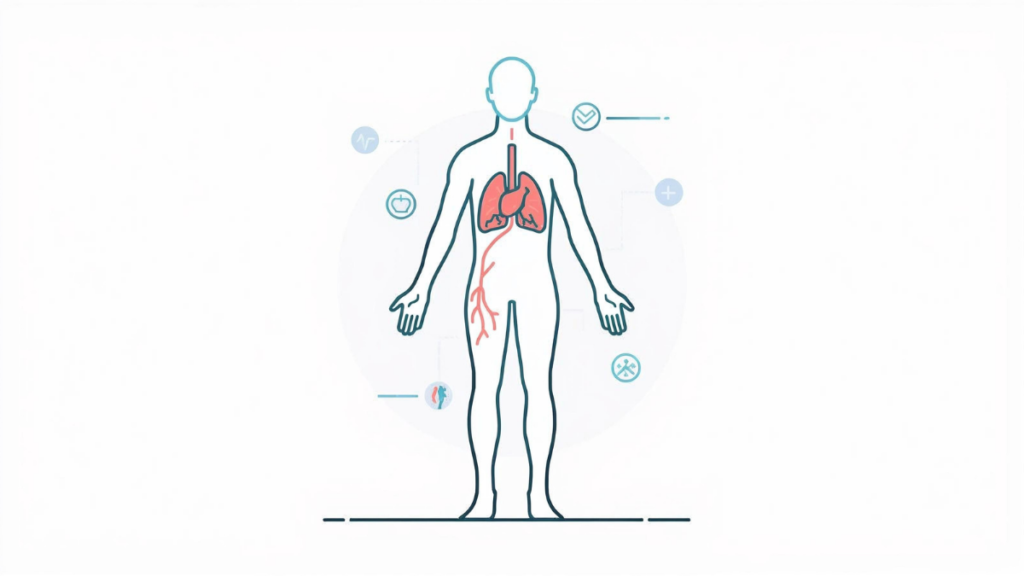
Physical health refers to how well your body functions on a day-to-day basis. It includes:
-
Proper functioning of organs and body systems
-
Strength, mobility, and energy
-
Ability to recover from illness or injury
Doctors often assess physical health using physical examinations and laboratory tests. However, numbers alone rarely tell the full story. Test results are most useful when interpreted alongside symptoms, lifestyle, and personal history.
For example, learning how common blood tests are interpreted can help you feel less anxious and more involved in your care rather than overwhelmed by medical terms.
This is where keeping personal health information organized becomes important. Having your test results, symptoms, medications, and past diagnoses in one place helps you notice patterns, ask better questions, and make sense of what your results actually mean.
Therefore, physical health is not about having “perfect” results. Instead, it is about understanding your body, responding early to changes, and maintaining healthy routines such as balanced eating, regular movement, and adequate sleep.
Mental and Emotional Health
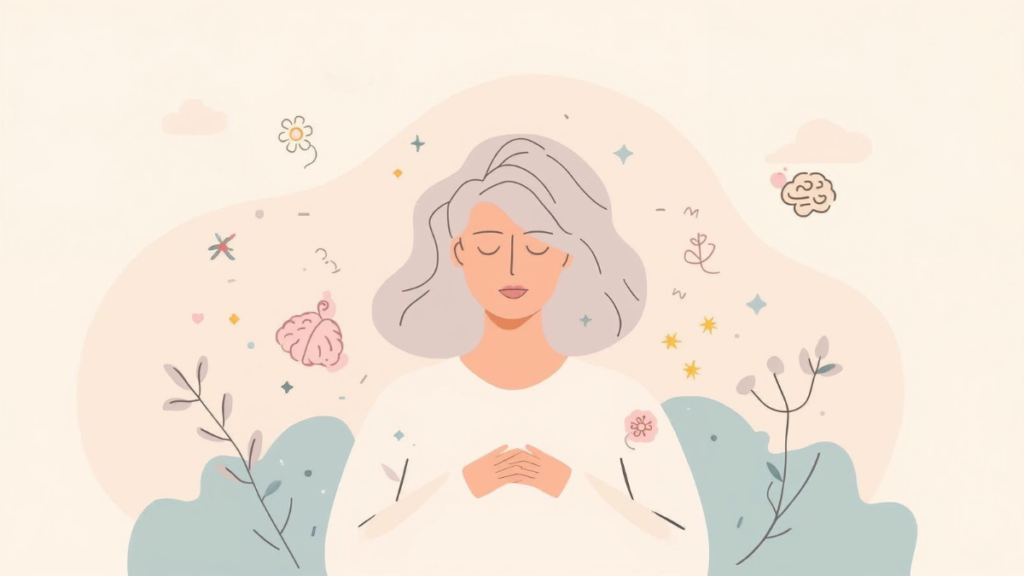
Mental health is a core part of the definition of health, yet it is often misunderstood or ignored. Mental and emotional wellbeing affect how you:
-
Manage stress and pressure
-
Think, concentrate, and make decisions
-
Relate to other people
-
Feel about yourself
Everyone experiences emotional ups and downs. However, persistent stress, anxiety, or low mood can gradually affect sleep, immunity, appetite, and even physical pain. In this way, mental and physical health are closely linked.
Paying attention to emotional changes such as mood, energy, or sleep quality, can provide early warning signs that something needs attention. Many people find it helpful to keep track of symptoms consistently, especially when discussing concerns with a healthcare professional.
Looking after mental health is not a luxury. Rather, it is an essential part of overall wellbeing.
Social Wellbeing and Community Health

Health does not exist in isolation. Social wellbeing refers to how connected, supported, and safe you feel within your family, workplace, and community.
Social health includes:
-
Supportive relationships
-
Feeling valued and understood
-
Access to healthcare, education, and reliable information
Research consistently shows that people with strong social support cope better with illness and recover more effectively. On the other hand, loneliness and social stress can quietly undermine both mental and physical health.
Communication is a key part of social wellbeing, particularly in healthcare settings. Knowing how to prepare for a doctor’s appointment can help ensure your concerns are heard and addressed.
A Holistic View of Health Today
Modern healthcare increasingly recognises health as holistic. This means that the body, mind, and social environment are interconnected and influence each other constantly.
As a result:
-
Prevention is valued as much as treatment
-
Lifestyle and environment are considered alongside medical care
-
Patients are encouraged to take an active role in their health
Rather than focusing only on disease, today’s approach emphasises living well, adapting to change, and maintaining balance. Importantly, this perspective helps people feel empowered instead of fearful by learning to read health information confidently and accurately.
Common Misunderstandings About Health
Despite clearer definitions, several myths about health persist:
-
“If I’m not sick, I’m healthy.”
In reality, emotional or social struggles can affect wellbeing even without a diagnosis. -
“Health is mostly genetic.”
Genetics play a role, but lifestyle, stress, and environment often matter more. -
“Mental health is separate from physical health.”
In fact, they influence each other continuously.
Recognising these misunderstandings allows for a kinder, more realistic view of health.
Why the Definition of Health Matters in Everyday Life
Understanding what is health in this broader sense changes how people interpret symptoms, test results, and everyday wellbeing. It encourages people to:
-
Notice early changes in how they feel
-
Seek help before problems escalate
-
Communicate more effectively with healthcare providers
Health knowledge becomes truly useful when it leads to action such as asking better questions, preparing for appointments, or making small, sustainable lifestyle changes.
Conclusion: Health as a Living, Changing State
The definition of health reminds us that wellbeing is not about being perfect or never getting sick. Instead, health is a dynamic, evolving state shaped by the body, the mind, and the world around us.
By understanding health in this broader, more human way, you can make informed choices, seek care with confidence, and support your wellbeing at every stage of life. Health is not something you simply have; it is something you build, step by step, every day.
Frequently Asked Questions
The true definition of health goes beyond the absence of disease. Health includes physical wellbeing, mental and emotional balance, and the ability to function and adapt in daily life. It reflects how the body and mind work together, not just whether a diagnosis is present.
No. While not being sick is important, health also includes feeling mentally well, having enough energy for daily activities, and being able to cope with stress and life changes. A person can live with a medical condition and still be considered healthy in many aspects.
Mental health is a core part of overall health. Emotional wellbeing, stress management, and psychological resilience influence physical health, energy levels, sleep, and how the body responds to illness or recovery.
Yes. Many people live full, meaningful lives while managing chronic conditions. Health is not defined by perfection but by how well a person functions, adapts, and maintains wellbeing within their circumstances.
Health is a state of complete physical, mental and social well-being and not merely the absence of disease or infirmity.