
Headaches are one of the most common health complaints worldwide. Nearly everyone experiences one at some point, and many people notice that the pain tends to appear in the same place each time. It’s no surprise that many people search online for headache location meanings, hoping to understand whether the pain they feel is normal or a sign that something more serious is going on.
If you’ve ever wondered “what does headache location mean?”, you are not alone. The reassuring truth is that most headaches are not dangerous. Location can offer helpful clues, but it is never a diagnosis on its own. Learning how headache location fits into the bigger picture is part of understanding your health information, including how symptoms, patterns, and context work together. This broader approach is explained in the Symptoms Explained cornerstone guide.
This guide explains common headache locations in clear, plain language. You will learn what different patterns often mean, which situations are usually harmless, and which warning signs should prompt medical attention.
What Does Headache Location Mean? (And Why It Isn’t a Diagnosis)
Headache location matters because it helps clinicians recognize patterns, not because it points to a single cause. The same location can be linked to stress, muscle tension, dehydration, eye strain, poor sleep, or illness.
Doctors never rely on location alone. They also consider:
- How often the headache occurs
- How long it lasts
- How intense it feels
- What triggers or relieves it
- Whether there are other symptoms, such as nausea, fever, weakness, or vision changes
This broader view aligns with a modern definition of health, which looks beyond isolated symptoms and considers overall wellbeing.
Headache Locations and Causes: How to Think About Them Safely
It is natural to look for meaning in where pain occurs, but searching symptoms in isolation can increase anxiety. Many everyday triggers, such as stress, dehydration, eye strain, and poor sleep; are listed among common headache causes, which is why location alone rarely tells the full story.
A safer way to think about headache locations and causes is to focus on:
- Patterns over time rather than single episodes
- Changes from your usual headaches
- Associated symptoms
- What improves or worsens the pain
This approach helps you stay informed without jumping to conclusions.
Different Types of Headaches by Location
Below is a plain-language look at different types of headaches by location, what they often feel like, and when they may need attention.
Forehead Headaches (Frontal Headaches)
What they often feel like
Forehead headaches usually feel like pressure or a tight band across the brow. The pain is often dull rather than sharp.
Common, usually normal causes
The most frequent cause is a tension headache. Triggers often include:
- Stress or emotional strain
- Eye strain from screens
- Dehydration
- Poor or irregular sleep
- Skipped meals
Sinus congestion can also cause forehead pressure, especially when accompanied by nasal symptoms.
When to pay attention
Forehead headaches deserve medical review if they persist for weeks, steadily worsen, or occur with fever or facial swelling.
Temple Headaches (Sides of the Head)
Typical sensations
Temple headaches often feel throbbing or pulsing and may affect one or both sides.
Common causes
This pattern is commonly linked to:
- Tension headaches
- Migraine patterns
- Stress-related muscle tension
- Jaw clenching or teeth grinding
Red flags to watch for
Medical advice is important if temple pain is new, persistent, or associated with jaw pain while chewing or changes in vision.
One-Sided Headaches (Left or Right Side Only)
Why one-sided headaches are common
Many migraines affect only one side of the head. Muscle imbalance in the neck or shoulders and poor posture can also cause one-sided pain.
What one-sided pain usually does not mean
One-sided headaches do not automatically indicate a stroke or brain tumor. These fears are understandable but usually unfounded when symptoms are stable.
When one-sided headaches should be checked
Seek urgent care if one-sided pain appears suddenly, is severe, or is accompanied by weakness, confusion, or speech difficulty.
Back of the Head Headaches (Occipital Area)
Common feelings
Pain at the back of the head may feel dull or sharp and is often accompanied by neck stiffness.
Common, benign causes
Typical triggers include:
- Neck muscle strain
- Poor posture
- Prolonged screen use
- Tension headaches
When to seek advice
Back-of-head pain should be assessed if it follows an injury or comes with fever and severe neck stiffness.
Top of the Head Headaches (Vertex Headaches)
What they feel like
These headaches often cause pressure or tenderness at the top of the head.
Common causes
They are frequently associated with stress, anxiety, sleep deprivation, and tension-type headaches.
When to look deeper
Persistent or changing pain in this area should be discussed with a healthcare professional.
Headaches Behind the Eyes
Typical sensations
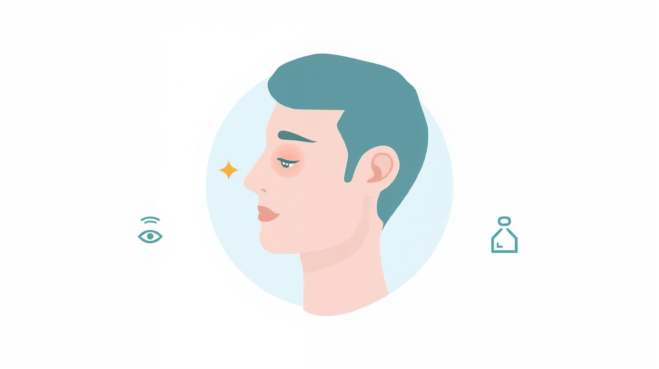
Pain behind the eyes often feels like deep pressure and may worsen with eye movement.
Common causes
This pattern is often linked to:
- Eye strain from screens
- Sinus congestion
- Migraine-related pain
When eye-related headaches need review
Seek care if pain behind the eyes is accompanied by vision changes, redness, or persistent severe discomfort.
Headache Patterns That Are Usually Normal
Many headache patterns are uncomfortable but not dangerous. Public health guidance confirms that most headaches are not serious and often improve with rest, hydration, regular meals, and stress management.
Headaches linked to poor sleep or ongoing stress may also overlap with the reasons for constant fatigue, especially during periods of prolonged mental or physical strain.
When to Worry About a Headache: Warning Signs That Need Urgent Care

Seek urgent medical care if you experience:
- A sudden, severe “worst headache of your life”
- Headache with confusion, weakness, or fainting
- Headache after head injury
- Headache with fever and stiff neck
- A new headache during pregnancy
- A new headache after age 50
Clear guidance on when to seek medical care for headaches helps distinguish rare emergencies from common, manageable symptoms.
How Tracking Headaches Helps Find Answers
Keeping a simple headache log can be very helpful. Note:
- Location
- Timing and duration
- Triggers
- Severity
- What improves or worsens the pain
Learning how to track symptoms effectively helps identify patterns and gives your doctor clearer information to work with.
Questions to Ask Your Doctor About Headaches
Helpful questions include:
- Is this headache pattern concerning?
- Do I need tests or imaging?
- What lifestyle changes might help?
- When should I follow up or seek urgent care?
Common Myths About Headache Location
- One-sided headaches are always serious: False. They are often migraines or tension headaches.
- Frequent headaches mean something dangerous: Not usually. Many people experience recurrent benign headaches.
- Pain location equals diagnosis: Location alone is never enough.
Conclusion: Understanding Headache Location Calmly and Clearly
Headache location can be helpful but only when viewed calmly and in context. Most headaches are part of everyday life and improve with simple measures such as hydration, rest, sleep, and stress management. By focusing on patterns, changes, and warning signs, you can better understand when headaches are normal and when to worry about a headache.
Clear, trustworthy information supports calmer decisions and calmer decisions support better health.
Frequently Asked Questions About Headache Locations
People frequently ask this specific location question. WebMD and AllAboutVision list behind-the-eye pain as related to sinus, migraine, or cluster headache pain patterns.
This question mirrors common PAA intent and is supported by guidance on tracking symptoms and headache diaries from clinical sources.
Headache location can give clues about common triggers such as stress, muscle tension, eye strain, or sinus pressure. However, location alone cannot diagnose the cause. Doctors also consider duration, severity, patterns, and other symptoms.
Yes. Certain headache patterns often occur in specific areas. For example, tension headaches commonly affect the forehead or temples, while migraines may occur on one side of the head or behind the eyes. Still, the same location can have different causes in different people.
No. While migraines often affect one side of the head, one-sided headaches can also be caused by muscle tension, neck strain, posture issues, or stress. The overall pattern and associated symptoms help determine the cause.