
Noticing a new rash on your skin can feel unsettling. Redness, bumps, or itching often trigger worry, even though many skin changes are common and harmless. To place symptoms in proper context and understand how they are usually interpreted in clinical practice, explore the understanding symptoms and what they mean pillar article.
This guide is written to help you calmly understand common skin rashes identification, what they often look like, and how doctors typically think about them, without jumping to conclusions or diagnoses. You’ll learn how to recognize general rash patterns, what is commonly harmless, what may deserve attention, and when it’s reasonable to seek medical advice.
To further place symptoms in proper context and broadly understand how they are usually interpreted in clinical practice, you may also explore the Symptoms Explained hub.
What is common skin rashes identification?
Common skin rashes identification is the process of recognizing typical patterns of skin changes, such as redness, bumps, scaling, or itching, and understanding what these patterns usually suggest in everyday medical practice. It focuses on broad visual and symptom clues rather than diagnosing a specific condition, helping people know what to monitor and when to seek care.
Why do skin rashes happen in the first place?
According to global public health guidance on common skin conditions; skin rashes are very common because the skin is your body’s outer barrier. It reacts quickly to changes inside and outside the body.
Doctors usually group causes into a few broad categories:
- Irritation or allergy (soaps, plants, fabrics, chemicals)
- Inflammation (immune reactions in the skin, often related to wider body processes such as those described in signs of inflammation in the body)
- Infections (viral, fungal, or bacterial)
- Heat and moisture (sweat, friction)
- Systemic triggers (stress, illness, medications)
A rash does not automatically mean infection or serious disease.
How do doctors start identifying a skin rash?
Clinicians usually begin with simple observations, not labels.
They look at:
- Location – where the rash appears on the body
- Appearance – color, size, shape, texture
- Symptoms – itching, pain, burning, or none
- Timing – sudden or gradual onset
- Triggers – new products, foods, illness, or heat
This context matters more than the rash’s name.
What does a normal vs abnormal rash look like?
Normal or common patterns
These are often mild and short-lived:
- Light redness without pain
- Mild itching that comes and goes
- Small bumps after sweating
- Rash that fades within days
Patterns doctors look at more closely
These may need discussion with a clinician:
- Rapid spreading
- Severe pain or blistering
- Rash with fever or illness
- Changes in skin color that don’t fade
- Rash that lasts weeks without improvement
Common skin rashes identification by appearance
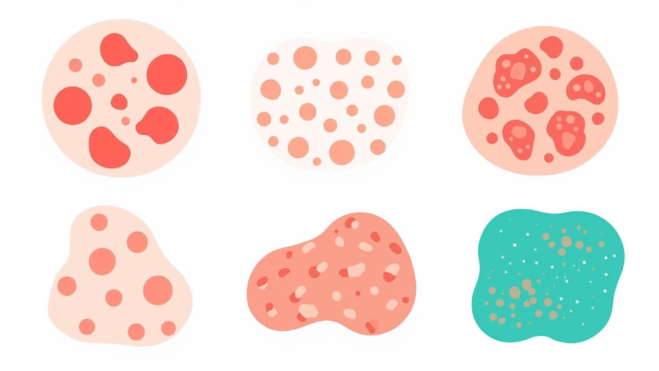
Patient-friendly explanations of common skin rashes have the following:
Flat red or pink patches
Are often linked to:
- Mild irritation
- Heat exposure
- Viral illnesses
These usually feel warm and may itch slightly. For reassurance, many people find it helpful to review patient-friendly explanations of common skin rashes that focus on appearance and patterns rather than diagnosis.
Raised bumps or small spots
Commonly seen with:
- Allergic reactions
- Insect bites
- Heat rashes
They may itch but are often harmless.
Dry, scaly, or flaky areas
Doctors often consider:
- Inflammatory skin conditions
- Reactions to dry weather
- Frequent washing or harsh soaps
These rashes usually improve with time and skin care adjustments.
Blisters or fluid-filled spots
May occur with:
- Strong irritation
- Certain viral conditions
- Allergic contact reactions
Blisters deserve medical review if painful or widespread.
Common skin rashes identification by location
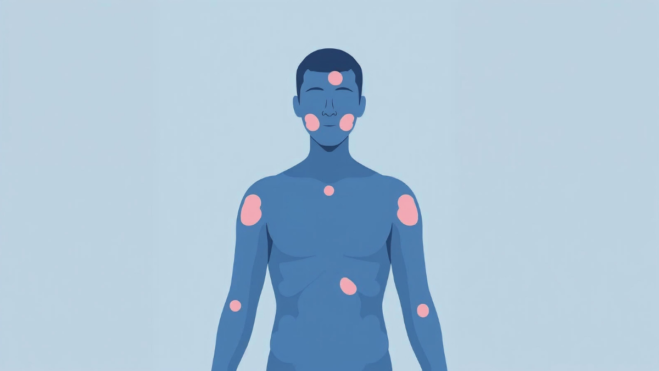
Face
Doctors consider:
- Allergic reactions
- Sun exposure
- Inflammatory skin conditions
Facial rashes often look dramatic but are not always serious.
Arms and legs
Often linked to:
- Contact with plants or chemicals
- Insect exposure
- Dry skin or inflammation
Skin folds (armpits, groin, under breasts)
Commonly related to:
- Heat and moisture
- Friction
- Overgrowth of normal skin organisms
Chest and back
Doctors often think about:
- Heat rashes
- Viral rashes
- Inflammatory patterns
Is itching always a bad sign?
No. Itching is extremely common.
Doctors usually note:
- Itchy rashes → often allergic, inflammatory, or irritation-related
- Non-itchy rashes → may be viral, vascular, or inflammatory
Clinical explanations of how clinicians assess skin symptoms like itching and redness show that itch alone does not indicate severity. Duration, spread, and associated symptoms matter far more than itching by itself.
Common questions about skin rashes
What does it mean if a rash appears suddenly?
A sudden rash often reflects a reaction such as irritation, allergy, or infection. Doctors look at recent exposures, new products, or recent illness before drawing conclusions.
Is it normal for rashes to come and go?
Yes. Many common rashes fluctuate with heat, stress, moisture, or contact with triggers. A changing rash is often less concerning than one that steadily worsens.
Can stress cause skin rashes?
Yes. Stress can influence immune responses and worsen inflammatory skin reactions. Doctors frequently consider stress as a contributing factor, not the sole cause.
Should I worry if a rash doesn’t itch?
Not necessarily. Many viral or inflammatory rashes are not itchy. Duration, spread, and associated symptoms are more important than itch alone.
Can skin rashes be related to internal health?
Sometimes. Doctors consider the whole picture; symptoms, medications, and history, especially if a rash is persistent or unusual.
Do all rashes need medical treatment?
No. Many rashes resolve on their own. Doctors often recommend observation before testing or treatment unless warning signs appear.
Can skin rashes look worse than they are?
Very often. Skin is visible, so even mild inflammation can look alarming while remaining medically minor.
What skin rashes usually do NOT mean
It’s reassuring to know that most rashes:
- Are not contagious
- Are not dangerous
- Are not permanent
- Do not signal serious illness
- Do not require urgent care
One rash alone rarely provides a diagnosis.
How doctors decide when to act
In routine medical practice, clinicians usually consider:
- How long the rash has been present
- Whether it’s spreading or stabilizing
- Associated symptoms (fever, pain, swelling)
- Response to simple measures
- Personal medical history
They often monitor first before intervening.
When should you consider medical advice?
Monitor calmly if:
- The rash is mild
- Symptoms are improving
- No fever or pain is present
Discuss at a routine visit if:
- The rash lasts more than 1–2 weeks
- It keeps returning
- It interferes with daily life
Seek urgent care if:
- The rash spreads rapidly
- There is severe pain or blistering
- Fever or difficulty breathing occurs
- Swelling of the face or lips appears
Public health guidance on warning signs that need urgent medical assessment highlights that these situations are uncommon but important to recognize early.
Reassurance and perspective
- One rash ≠ a diagnosis
- Mild skin changes are extremely common
- Skin reacts to many harmless triggers
- Doctors rely on patterns over time, not a single look
- Your age, environment, and history all matter
Many rashes settle with time and simple observation.
Learning to understand your health information
If skin symptoms worry you, learning how clinicians interpret health signs can reduce anxiety. You may find it helpful to explore guidance on how doctors interpret symptoms and patterns in plain language or have a broader perspective on how symptoms fit into overall wellbeing.
Trusted external sources for skin information
For general, patient-friendly skin education, these sources are widely used by clinicians:
- World Health Organization (WHO): https://www.who.int
- National Health Service (NHS): https://www.nhs.uk
These sites focus on education, not fear-based messaging.
Conclusion: Common skin rashes identification in context
Common skin rashes identification is about recognizing patterns, not making assumptions. Most rashes are mild, temporary, and manageable. Understanding what is common and what deserves attention helps you stay calm, informed, and confident.
If a rash concerns you, observing changes over time and discussing them with a healthcare professional is often the most helpful next step.
Frequently Asked Questions About Skin Rashes
No. The majority of skin rashes are mild and temporary. Doctors assess duration, symptoms, and overall health before becoming concerned.
Not usually. Recurrence often relates to repeated exposure to triggers or chronic skin sensitivity.
Yes. Age influences common rash patterns, which doctors always consider.
Many rashes improve within days. If a rash lasts more than two weeks or worsens, it’s reasonable to discuss it with a clinician.
Pictures can help with general understanding, but clinicians rely on history and symptoms, not images alone.