
Looking at a lab report for the first time can feel unsettling. However, once you understand how to read Lab reference ranges, those numbers become far less intimidating. Many people assume that a result outside the reference range automatically means something is wrong. In reality, reference ranges are guides — not diagnoses.
In this plain-language, patient-friendly guide, you’ll learn how to read Lab reference ranges calmly and confidently. More importantly, you’ll understand what “normal,” “high,” and “low” really mean, why ranges vary, and how doctors actually use them when making decisions about your care. For a broader foundation on how different lab tests are reported and interpreted overall, you may find our guide on understanding medical test results helpful.
This article sits within the Health Explained Clearly Medical Tests cluster and builds naturally on earlier explanations, including our beginner-friendly guide on understanding your CBC results, our comparison of CMP vs BMP blood tests, and our simple breakdown of A1C levels and blood sugar trends.
Why Lab Reference Ranges Feel So Confusing
Lab Reference ranges often look precise and final. As a result, many patients assume they should be read like exam scores. Common beliefs include thinking that “normal” means everything is fine, while “abnormal” must mean disease.
However, doctors don’t read lab reports this way. Instead, Lab reference ranges are interpreted alongside your symptoms, medical history, medications, and even previous test results. Therefore, learning how Lab reference ranges actually work can significantly reduce anxiety and prevent unnecessary worry.
What Is a Lab Reference Range?
A Lab reference range shows where test results fall for most healthy people.
In simple terms, laboratories test large groups of generally healthy individuals and identify the middle spread of results. That middle section becomes the reference range.
Importantly, reference ranges:
-
Are based on population averages
-
Allow for natural variation
-
Are not pass-or-fail limits
For example, just as people wear different shoe sizes and remain healthy, bodies can function well at slightly different lab values.

How Lab Reference Ranges Are Created
Why ranges differ between laboratories:
Different laboratories may use different machines, testing methods, or populations. Because of this, the same blood test may show slightly different reference ranges depending on where it was performed. This variation is normal and expected.
Why age and sex matter:
Some values naturally change based on age, biological sex, or life stage. Therefore, pediatric Lab reference ranges often differ from adult ones, and pregnancy-specific ranges may also apply.
How to Read Lab Reference Ranges: Understanding “Normal,” “High,” and “Low” Results
What “Normal” Really Means
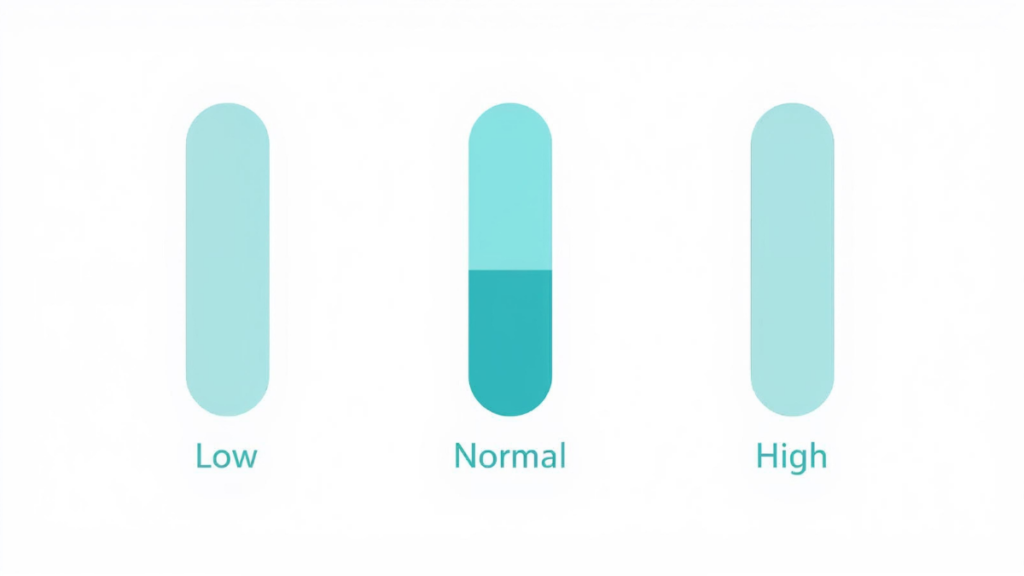
When a result is marked normal, it simply means it falls within the expected range for most healthy people.
However, “normal” does not mean you have no symptoms or that everything is perfect. In contrast, doctors still take symptoms seriously even when test results appear normal.
What “Slightly High” or “Slightly Low” Means
Small deviations from the reference range are extremely common. For example, results can shift due to dehydration, recent exercise, stress, poor sleep, mild illness, or medications.
As a result, doctors often recommend repeating the test later rather than acting immediately on a single mildly abnormal number.
When Results Are Significantly Out of Range
Doctors pay closer attention when results are far outside the range, when several related tests are abnormal, or when the numbers match your symptoms. Even then, interpretation is careful and always placed in context.
Common Factors That Affect Reference Ranges
Many everyday factors influence lab values. For this reason, one abnormal result rarely tells the whole story.
Common influences include:
-
Time of day
-
Fasting or recent meals
-
Hydration level
-
Recent illness or infection
-
Physical activity
-
Stress
-
Medications and supplements
Consequently, doctors focus on patterns over time rather than isolated numbers.
Why One Abnormal Result Rarely Tells the Whole Story
Doctors rarely make decisions based on a single test value. Instead, they compare results over time and across related tests. For instance, a slightly abnormal blood count that returns to normal is often less concerning than a gradual change seen on repeated testing.
This approach is discussed in more detail in our article on how to understand CBC results clearly, where trends often matter more than one-off values.

Reference Range Examples Explained Simply
Blood Sugar (A1C or Glucose)
A slightly elevated A1C does not automatically mean diabetes. Instead, doctors consider repeat values, fasting glucose levels, symptoms, and overall risk factors. If you’d like a deeper explanation, our guide on A1C levels explained in simple terms walks through how doctors interpret these numbers over time.
Cholesterol Tests
A total cholesterol number alone can be misleading. Therefore, doctors look at LDL, HDL, and triglycerides together to assess long-term risk. Our article on cholesterol tests explained clearly shows why one number rarely tells the full story.
Complete Blood Count (CBC)
Mild changes in hemoglobin, white blood cells, or platelets are common and often temporary. For example, dehydration or a recent infection can influence results. This is why our CBC results guide emphasizes context and follow-up rather than panic.
What Lab Reference Ranges Do NOT Tell You
Although reference ranges are useful, they have limits.
They do not:
-
Diagnose disease
-
Predict future outcomes
-
Replace a physical examination
-
Reflect your full medical history
Therefore, comparing your results to someone else’s or to online charts without context can be misleading. This is why understanding health beyond lab numbers is important because test results alone cannot capture the full definition of wellbeing.
How Doctors Actually Use Lab Reference Ranges
Doctors interpret Lab reference ranges alongside your symptoms, history, physical exam findings, and previous results. As a result, a mildly abnormal value may be monitored, while a “normal” value may still prompt investigation if symptoms suggest otherwise.
If you want to feel more confident discussing results, our guide on how to prepare for a doctor’s appointment explains how to bring lab reports and ask clear questions.

Smart Questions to Ask Your Doctor About Reference Ranges
Instead of worrying silently, consider asking:
-
“Is this result significant for me personally?”
-
“Is it only slightly outside the range?”
-
“Could anything have influenced this test?”
-
“Do we need to repeat it?”
-
“What symptoms should I watch for?”
In this way, lab results become starting points for useful conversations rather than sources of fear.
When to Follow Up and When Not to Panic
Follow-up is usually needed when values are far outside the range, continue to worsen, or match concerning symptoms. On the other hand, panic is often unnecessary when only one value is slightly abnormal and you feel well.
If symptoms change or persist, keeping a simple record can help. Our article on how to track symptoms effectively shows how this information supports better interpretation of test results.
Practical Tips for Reading Lab Reports With Confidence
Learning how to read lab reference ranges becomes much easier when you focus on patterns over time, compare results with past tests, and consider how you actually feel, not just where a number falls.
-
Focus on patterns, not single numbers
-
Compare current results with previous ones
-
Always read the lab-specific reference range
-
Write down questions before appointments
-
Keep a simple personal health record
Over time, these habits make lab reports easier to understand and far less stressful.
How Reference Ranges Fit Into Understanding Your Health
Reference ranges are only one part of your health picture. When combined with symptom awareness, good preparation, and clear communication, they become helpful tools rather than sources of anxiety.
If you’re new to navigating health information, our beginner’s guide to understanding your health information is a helpful place to start.
Conclusion: Reference Ranges Are Tools, Not Verdicts
In summary, reference ranges are designed to guide care — not to label you as healthy or unhealthy. A result slightly outside the range is often just a variation.
Ultimately, understanding reference ranges helps you stay calm when reviewing lab reports, ask better questions, avoid unnecessary fear, and partner more confidently with your doctor. Health information should empower you — and with clear explanations, it truly can.
Evidence-Based External Resources
For further reading from trusted sources, you may find it helpful to explore the MedlinePlus overview of lab tests and the CDC’s guidance on understanding laboratory results, both of which reinforce the importance of context and follow-up rather than isolated numbers.