

Feeling dizzy can be frightening, especially when it happens suddenly as you stand up. Many people immediately worry that something serious is wrong, while others struggle to explain exactly what they feel. Is it faintness? Is the room spinning? Or is it just a brief moment of imbalance?
Understanding the difference between lightheadedness vs vertigo is one of the most effective ways to reduce anxiety around dizziness. Although these sensations are often grouped together, they come from different body systems and usually mean very different things.
This article sits within the broader Symptoms Explained hub, which helps place common symptoms into context rather than treating them in isolation. It will help you calmly understand what lightheadedness and vertigo feel like, why dizziness can occur when standing up, and how doctors decide when symptoms are harmless versus when they need further attention.
What is the difference between lightheadedness vs vertigo?
Lightheadedness is a feeling of faintness or weakness, often caused by temporary changes in blood pressure, hydration, or circulation.
Vertigo is a sensation of spinning or movement when you or your surroundings are actually still, usually related to the inner ear or balance system.
Dizziness when standing up is most often lightheadedness; not vertigo.
Why “Dizziness” Is a Confusing Word
The word dizziness does not describe a single medical problem. It is a general term people use for several different sensations. Doctors rarely stop at “I feel dizzy”, they ask follow-up questions to understand how you feel dizzy.
People may use “dizzy” to describe:
-
Feeling faint or about to pass out
-
Feeling unsteady on their feet
-
A spinning or whirling sensation
-
Brief darkening or blurring of vision
This is why clarifying lightheadedness vs vertigo matters. Each sensation points to different causes and different levels of concern.
Lightheadedness Explained: The Most Common Cause of Dizziness When Standing
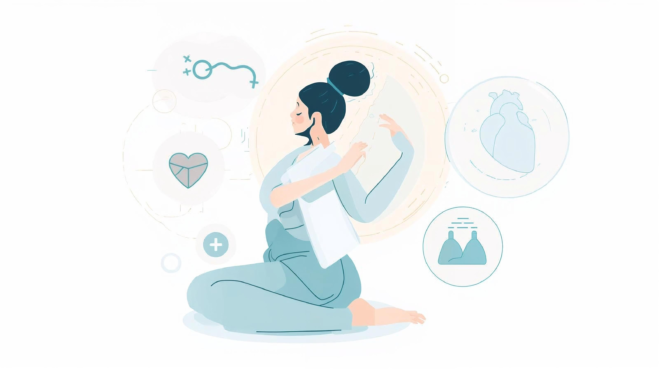
What Does Lightheadedness Feel Like?
Lightheadedness usually feels like:
-
You might faint
-
Your head feels “floaty” or weak
-
Vision briefly dims or blurs
-
You feel shaky or unsteady
Importantly, lightheadedness does not feel like spinning.
Common Causes of Lightheadedness
Lightheadedness is very common and is often related to temporary body changes, such as:
-
Standing up too quickly
-
Dehydration or low fluid intake
-
Skipping meals or low blood sugar
-
Heat exposure
-
Anxiety or emotional stress
-
Certain medications
In most cases, lightheadedness improves within seconds once your body adjusts.
Vertigo Explained: When Dizziness Feels Like Spinning
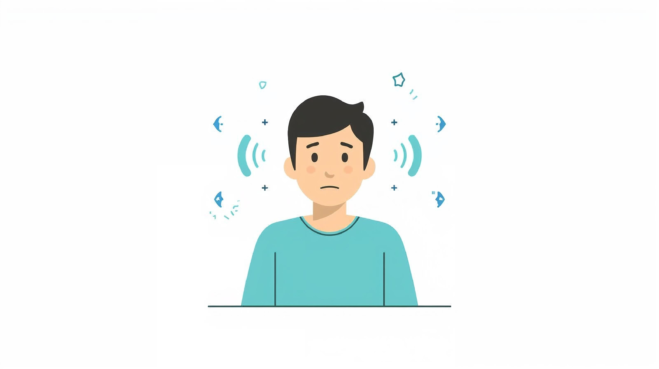
How Vertigo Feels Different From Lightheadedness
Vertigo is defined by a false sense of motion. People with vertigo often describe:
-
The room spinning
-
Feeling pulled or tilted to one side
-
Nausea or vomiting
-
Difficulty focusing their eyes
Vertigo often worsens with head movement and may last minutes to hours rather than seconds.
Common Causes of Vertigo
Vertigo most often involves the inner ear or balance system and may be linked to:
-
Benign positional vertigo
-
Inner ear inflammation or irritation
-
Migraine-related balance changes
Most causes of vertigo are not dangerous, but persistent or severe symptoms should be evaluated.
Dizziness When Standing Up: Lightheadedness vs Vertigo in Context
If dizziness happens right after standing up, especially from sitting or lying down, it is almost always lightheadedness, not vertigo.
Why This Happens
When you stand, gravity causes blood to pool briefly in your legs. Your body normally responds by tightening blood vessels and increasing heart rate. If this adjustment is delayed, even briefly, blood flow to the brain drops for a moment, causing lightheadedness.
This response is common and usually harmless.
Quick Answer: Lightheadedness vs Vertigo
If dizziness happens when standing up and feels like faintness or weakness, it is usually lightheadedness.
If dizziness feels like spinning or movement, even when still, it is more likely vertigo related to the balance system.

Lightheadedness vs Vertigo: Key Differences at a Glance
-
Lightheadedness: faint, weak, improves after sitting or lying down
-
Vertigo: spinning sensation, worsens with head movement
| Key difference | Lightheadedness | Vertigo |
|---|---|---|
| Main feeling | Faint or weak | Spinning or moving |
| Feels like motion? | ❌ No | ✅ Yes |
| Common trigger | Standing up | Head movement |
| Linked to blood pressure | ✅ Often | ❌ No |
| Inner ear involved | ❌ No | ✅ Yes |
| Typical duration | Seconds | Minutes to hours |
This comparison alone explains why so many people confuse lightheadedness vs vertigo.
Common Questions About Dizziness
Is it normal to feel dizzy when standing up?
Yes. Brief dizziness when standing is common and usually caused by a temporary drop in blood pressure. It often resolves within seconds.
Can dehydration cause lightheadedness?
Yes. Dehydration reduces blood volume, making it harder for your body to maintain blood pressure when you change positions.
Does vertigo always come from the ears?
Most of the time, yes. Vertigo usually involves the inner ear or balance system, though other causes exist and should be evaluated if symptoms persist.
Can anxiety cause dizziness?
Yes. Anxiety can trigger lightheadedness or a sense of unsteadiness through changes in breathing and stress hormones.
Should frequent dizziness be ignored?
No. While occasional dizziness is common, frequent or worsening symptoms should be discussed with a healthcare professional.
What Doctors Look At When Evaluating Lightheadedness vs Vertigo
Doctors do not rely on dizziness alone. They look at patterns and context, including:
-
When the dizziness occurs
-
What triggers it (standing, head movement, stress)
-
How long it lasts
-
Whether spinning is present
-
Other symptoms (headache, hearing changes, weakness)
-
Medications and hydration status
This approach reflects how symptoms should be interpreted as part of your overall health picture.
Helpful background reading includes understanding your health information and appreciating the definition of health.
When to Monitor vs When to Act
Usually Safe to Monitor
-
Dizziness lasts only a few seconds
-
Happens only when standing quickly
-
Improves when sitting or lying down
-
No additional symptoms
Discuss at Your Next Visit If
-
Dizziness is frequent or recurring
-
Balance feels off rather than faint
-
Symptoms interfere with daily life
-
New medications were started
When Should Dizziness Be Checked Urgently?
-
Sudden weakness or numbness
-
Trouble speaking
-
Chest pain
-
Severe headache
-
Fainting with injury
-
New vision loss
These symptoms are not typical of simple lightheadedness or vertigo. If symptoms feel confusing or hard to explain, learning how clinicians interpret health information can make conversations with healthcare professionals easier. You may find it helpful to read Understanding Your Health Information, which explains how symptoms, test results, and patterns are assessed together in everyday medical care.
Reassurance: What Dizziness Usually Means
Most dizziness is not serious. It commonly reflects:
-
Normal body adjustments
-
Temporary blood pressure or fluid changes
-
Benign balance system disturbances
Healthcare providers focus more on patterns over time than on a single episode.
Key Takeaway
Understanding lightheadedness vs vertigo helps explain why dizziness happens and when it is usually harmless.
Dizziness when standing is most often lightheadedness.
Spinning sensations point more toward vertigo and the balance system.
Context matters more than a single symptom.
Conclusion: Understanding Lightheadedness vs Vertigo Without Panic
Dizziness can feel alarming, but learning the difference between lightheadedness vs vertigo brings clarity and reassurance. Most dizziness when standing up is temporary and manageable. By noticing how it feels, when it occurs, and what improves it, you can respond calmly, communicate clearly with your healthcare provider, and know when further evaluation is needed.
Frequently Asked Questions About Lightheadedness & Vertigo
What is the main difference between lightheadedness vs vertigo?
Lightheadedness feels like faintness or weakness and is often linked to blood pressure or hydration changes. Vertigo feels like spinning or movement and usually involves the inner ear. Dizziness when standing up is most often lightheadedness rather than vertigo in adults worldwide.
Is dizziness when standing up usually serious?
In most cases, dizziness when standing up is not serious. It is commonly caused by a brief drop in blood pressure and improves within seconds. Symptoms that resolve after sitting or lying down are usually harmless and easy to monitor over time.
How can I tell if my dizziness is vertigo?
Vertigo usually causes a clear spinning or moving sensation, even when you are still. It often worsens with head movement and may cause nausea. If dizziness feels more like faintness without spinning, it is more likely lightheadedness rather than vertigo in most cases.
Can dehydration cause lightheadedness?
Yes. Dehydration reduces blood volume, making it harder for your body to maintain stable blood pressure when you stand. This can briefly reduce blood flow to the brain, causing lightheadedness that improves with fluids and rest in many people over short periods.
When should dizziness be checked by a doctor?
You should discuss dizziness with a doctor if it is frequent, worsening, or affects daily life. Seek urgent care if dizziness occurs with chest pain, trouble speaking, sudden weakness, severe headache, or fainting with injury, as these are not typical benign symptoms.