

The reasons for constant fatigue are the common physical, emotional, or lifestyle factors that cause ongoing tiredness even after rest. Feeling tired all the time can be unsettling, and many people begin searching “why am I always tired” after weeks or months of low energy, worrying that something serious may be wrong. Online lists of possible causes often increase anxiety rather than provide clear, helpful context.
In reality, the reasons for constant fatigue are usually common, overlapping, and explainable when viewed calmly and in context. Fatigue is not a diagnosis by itself. It is a signal that something physical, emotional, or lifestyle-related may need attention. It is best understood as part of your overall health rather than a problem in isolation, an approach reflected across the Symptoms Explained hub.
If you’re searching why am I always tired all the time, you’re not alone. This question is one of the most common reasons people seek medical advice. In most cases, ongoing tiredness has explainable causes related to sleep, stress, nutrition, or everyday health factors rather than a serious illness.
This guide builds on the principles outlined in our resource, the Beginner’s Guide to Understanding Your Health Information, which explains how to interpret symptoms, tests, and medical advice with confidence. We will explain common causes of fatigue in plain language, show how clinicians think about ongoing tiredness, and help you understand when fatigue is part of everyday life, when it deserves evaluation, and what next steps usually look like.
Quick summary: reasons for constant fatigue
Ongoing fatigue usually has common, manageable causes rather than a single serious explanation.
-
Poor sleep quality is the most common cause
-
Stress and mental health strongly affect energy
-
Nutrition, hydration, and blood health matter
-
Fatigue often has more than one cause
-
Persistent fatigue should be discussed with a clinician
Why Feeling Tired All the Time Is Different
Everyone feels tired occasionally. Normal tiredness usually has an obvious explanation such as a late night, physical effort, emotional stress, or a busy week, and it improves with rest.
Feeling tired all the time is different. Constant fatigue often:
- Lasts for weeks or longer
- Feels out of proportion to your activity level
- Persists despite rest or sleep
- Affects focus, motivation, or daily functioning
Clinicians view fatigue as a whole-body symptom. It reflects how sleep, nutrition, mental health, hormones, blood health, and daily habits are interacting, not just how many hours you sleep.
Why Persistent Fatigue Symptoms Are Rarely Caused by Just One Thing
One of the most important things to understand is that persistent fatigue symptoms are rarely caused by a single issue. Fatigue is considered a non-specific symptom, meaning many different factors can produce the same low-energy feeling.
This is why clinicians rarely interpret fatigue in isolation. Learning how symptoms are evaluated together can be helpful, as explained in our article on understanding symptoms and what they mean.
Rather than jumping to conclusions, healthcare providers look for:
- Patterns over time
- Other symptoms that appear alongside fatigue
- Lifestyle and stress levels
- Medication effects
- Changes from your usual energy baseline
Reasons for Constant Fatigue Explained Simply
Most ongoing fatigue falls into a few broad categories. Many people experience more than one at the same time, which is why tiredness can feel confusing or difficult to pin down.
Below are the most common causes of fatigue, explained clearly and without alarm.
Sleep-Related Causes of Constant Fatigue
Poor Sleep Quality

You can spend enough time in bed and still wake up exhausted. Poor-quality or interrupted sleep prevents the body from restoring energy properly.
Common contributors include:
- Irregular sleep schedules
- Late-night screen use
- Stress or racing thoughts
- Noise or light disruption
Sleep Disorders
Conditions such as sleep apnea interrupt breathing during sleep, reducing oxygen levels and fragmenting sleep cycles. Many people don’t realize their sleep is disrupted until they start asking, why am I always tired despite sleeping for many hours.
For a medical overview of sleep-related fatigue and sleep disorders, see the U.S. Centers for Disease Control and Prevention (CDC) guidance on sleep and health.
Sleep timing vs sleep duration
Sleeping enough hours does not always mean sleeping at the right times. Irregular sleep schedules can disrupt circadian rhythms and worsen fatigue.
Clues that sleep may be involved include loud snoring, morning headaches, unrefreshing sleep, or excessive daytime sleepiness.
Nutrition and Hydration as Causes of Fatigue
Inadequate Fuel Intake
Your body needs regular fuel in form of food to produce energy. Skipped meals, restrictive dieting, or low protein intake can lead to weakness and ongoing tiredness.
Iron and Vitamin Deficiencies
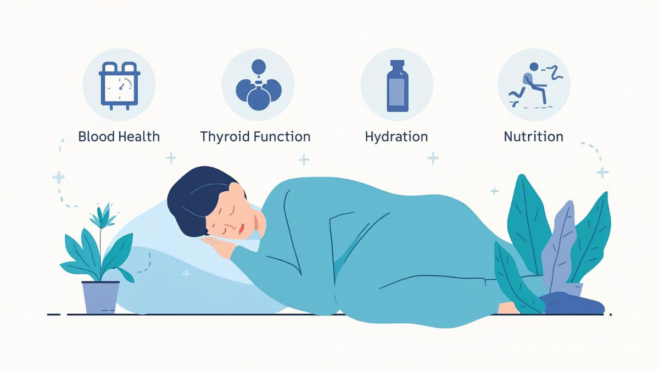
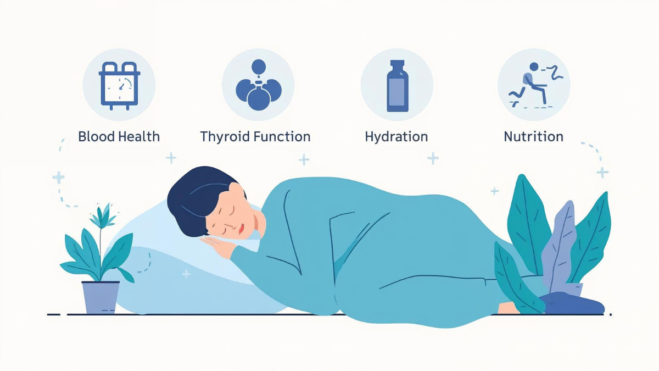
Low iron, vitamin B12, or folate levels can reduce oxygen delivery to tissues. In addition to fatigue, other concerns related to these deficiencies may also include dizziness, shortness of breath, or weakness. These issues are often first explored through a Complete Blood Count (CBC), which looks at red blood cells and hemoglobin. You can learn more in our guide to understanding your CBC results.
Dehydration
Even mild dehydration can cause fatigue, headaches, and difficulty concentrating. Many people who feel tired all the time are surprised to learn how little fluid they actually drink.
Medical Conditions Linked to Persistent Fatigue
Anemia
Anemia occurs when the body doesn’t have enough healthy red blood cells or hemoglobin to carry oxygen efficiently. Fatigue is often the earliest and most noticeable symptom.
For an authoritative overview of anemia-related fatigue and common causes, the NHS provides a clear patient-focused explanation.
Thyroid Imbalances
An underactive thyroid can slow metabolism, leading to low energy, weight changes, and sensitivity to cold. An overactive thyroid can also cause fatigue by disrupting sleep and increasing metabolic demand. If fatigue is accompanied by temperature sensitivity, weight changes, or heart rate changes, thyroid testing may be considered. Our article on thyroid tests made easy explains this in clear, patient-friendly terms.
Blood Sugar Regulation Issues
Problems with blood sugar balance can cause energy highs and crashes, particularly after meals. Fatigue may occur alongside increased thirst, hunger, or frequent urination.
Ongoing Inflammation or Infection
When the immune system stays active for long periods, the body diverts energy away from daily tasks. This can lead to persistent fatigue even when other symptoms are mild.
Mental and Emotional Factors

Chronic Stress and Burnout
Long-term stress keeps the body in a constant state of alert. Over time, this drains both mental and physical energy, even if you appear to be resting.
The Mayo Clinic offers a helpful clinical overview of stress-related fatigue and burnout, including how chronic stress affects energy levels.
Anxiety
Anxiety often causes muscle tension, shallow sleep, and constant mental activity. Together, these can significantly contribute to feeling tired all the time.
Depression
Depression does not always present as sadness. Many people experience it mainly as low energy, physical heaviness, slowed thinking, or loss of motivation.
Fatigue after illness / post-viral fatigue
Fatigue can persist for weeks after viral or inflammatory illnesses, even once other symptoms resolve. This usually improves gradually but can feel concerning if unexpected.
Lifestyle Factors That Affect Energy Levels
Too Little Movement
Low physical activity can worsen fatigue over time. Gentle, regular movement improves circulation, sleep quality, and overall energy regulation.
Overexertion Without Recovery
Pushing through exhaustion without adequate rest can lead to long-lasting fatigue, especially when recovery days are skipped.
Alcohol and Stimulants
Alcohol disrupts sleep quality, while excessive caffeine interferes with natural energy rhythms. Together, they can reinforce cycles of persistent tiredness.
Medications and Ongoing Tiredness
Some medications list fatigue as a possible side effect, including:
- Blood pressure medications
- Certain allergy treatments
- Antidepressants or anxiety medications
- Some pain relievers
If fatigue begins after starting a new medication, it’s worth discussing this with your healthcare provider. Never stop medication without guidance.
How Doctors Think About Constant Fatigue
When evaluating reasons for constant fatigue, clinicians usually avoid assumptions. Instead, they:
- Review symptom timing and severity
- Ask about sleep, diet, stress, and activity
- Review medications and supplements
- Look for warning signs
- Use basic tests when appropriate
Fatigue is often assessed alongside simple blood tests that evaluate blood counts, metabolism, thyroid function, or inflammation, not to alarm, but to rule out common contributors.
When Persistent Fatigue Symptoms Should Be Checked Medically
Consider medical evaluation if fatigue:
- Lasts longer than a few weeks
- Gradually worsens
- Interferes with work or daily life
- Occurs with dizziness, shortness of breath, or chest discomfort
- Is associated with unexplained weight loss or fever
Seek urgent care if fatigue is sudden and severe, or accompanied by neurological symptoms, chest pain, or fainting.
Practical Steps While Seeking Answers
While exploring the causes of fatigue, supportive steps often include:
- Establishing consistent sleep routines
- Eating regular, balanced meals
- Staying well hydrated
- Reducing alcohol intake
- Gentle, consistent physical activity
- Tracking energy levels and symptoms
Keeping a simple symptom log can be especially helpful when fatigue is ongoing or fluctuates. Our step-by-step guide on how to track symptoms effectively shows you exactly what to note and how this information helps clinicians identify patterns.
Simple notes about when fatigue improves or worsens can help guide more productive conversations with your clinician.
Common Myths About Constant Fatigue
“Normal tests mean nothing is wrong.”
Symptoms still matter. Fatigue can exist even when early tests are reassuring.
“Fatigue is just part of getting older.”
While energy levels may change over time, persistent exhaustion is not inevitable.
“More caffeine will fix it.”
Stimulants may mask fatigue briefly but do not address underlying causes.
Final Thoughts: Understanding the Reasons for Constant Fatigue Clearly
Constant fatigue can feel worrying, but it is one of the most common and explainable symptoms in healthcare. In most cases, it reflects a combination of sleep quality, nutrition, stress, lifestyle habits, and common medical factors; not a single serious condition.
By understanding the reasons for constant fatigue, noticing patterns, and seeking guidance when needed, you can move toward clarity and more sustainable energy. Fatigue is information, and understanding it calmly is the first step toward feeling better.
Frequently Asked Questions About Constant Fatigue
The most common causes of constant fatigue include poor sleep, chronic stress, dehydration, nutritional deficiencies, anemia, thyroid imbalances, low physical activity, and mental health conditions such as anxiety or depression. Many people experience more than one contributing factor at the same time.
Yes. Chronic stress keeps the body in a constant state of alert, which gradually drains physical and mental energy. Even with rest, the body may not fully recover if stress levels remain high for long periods.
Persistent fatigue should be medically evaluated if it lasts more than a few weeks, worsens over time, interferes with daily life, or occurs with symptoms such as shortness of breath, chest pain, dizziness, unexplained weight loss, or fever.
Yes. Low levels of iron, vitamin B12, or folate can reduce oxygen delivery and energy production in the body, leading to ongoing tiredness. Blood tests are often used to check for these deficiencies when fatigue persists.
No. Constant fatigue is very common and is often linked to manageable issues such as sleep problems, stress, lifestyle factors, or nutrition. Serious illness is much less common, but medical evaluation helps rule out important causes and provides reassurance.