

Symptoms such as fatigue, dizziness, headaches, or muscle cramps can feel concerning, especially when they appear suddenly or without a clear reason. Many people worry these signs mean dehydration, an electrolyte problem, or something more serious. The uncertainty often comes from not knowing how to interpret symptoms on their own.
This article explains the signs of electrolyte imbalance and dehydration in clear, calm language. It is part of the Symptoms Explained hub, which helps readers understand what common symptoms may suggest, what they do not automatically mean, and how clinicians usually interpret them in real-world care.
For a broader introduction to how symptoms fit together and what they may or may not mean, you may find it helpful to read our guide on understanding symptoms and what they mean.
What Is Electrolyte Imbalance and Dehydration?
Electrolyte imbalance and dehydration is a state in which the body has too little fluid, an uneven balance of minerals such as sodium or potassium, or both. These changes can influence how nerves, muscles, and organs function and are usually evaluated by clinicians in context rather than identified by symptoms alone.
What are electrolytes and why do they matter?
Electrolytes are minerals that help regulate fluid balance, nerve signals, and muscle activity.
They support:
- Movement of fluids inside and outside cells
- Muscle contraction and relaxation
- Communication between nerves
- Stable heart rhythm
More detail is available on how electrolytes help the body maintain fluid and nerve balance.
Because these processes are interconnected, doctors rarely assess electrolytes in isolation. Instead, they consider how the body functions as a whole.

How is dehydration different from electrolyte imbalance?
Dehydration means the body lacks enough fluid, while electrolyte imbalance means mineral levels are uneven.
Although the two often occur together:
- Dehydration can exist with normal electrolytes
- Electrolyte imbalance can occur even when fluid levels seem adequate
This overlap explains why symptoms such as dizziness or fatigue appear across many articles. A single symptom can point to more than one possible explanation.
What are common signs of dehydration?
Mild dehydration usually causes broad, everyday symptoms rather than dramatic ones.
Common signs include:
- Thirst
- Darker-than-usual urine
- Fatigue or low energy (which may also have many other causes, as outlined in this guide on reasons for constant fatigue)
- Dry mouth or lips
- Lightheadedness when standing
These symptoms are very common and often short-lived. They may also be discussed in other symptom guides, such as those focused on fatigue or dizziness, because the same symptom can arise from different causes.
What are common signs of electrolyte imbalance?
Electrolyte imbalance may affect muscles, nerves, and concentration.
Possible signs include:
- Muscle cramps or weakness
- Tingling sensations
- Unusual muscle twitching
- Persistent tiredness
- Difficulty focusing
These symptoms are not specific to electrolyte imbalance. They are shared across many symptom categories, which is why this article focuses on understanding patterns rather than drawing conclusions.
Can dehydration and electrolyte imbalance cause similar symptoms?
Yes. Many symptoms overlap, making them hard to distinguish without context.
Both may cause:
- Fatigue
- Dizziness
- Headaches
- Muscle discomfort
This overlap highlights a key idea that symptoms are signals, not diagnoses. Their meaning depends on timing, triggers, and what else is happening in the body.
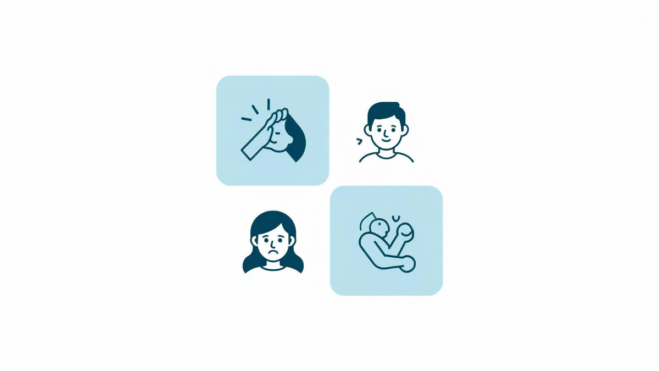
What do these symptoms not automatically mean?
These symptoms do not automatically indicate a serious medical problem.
It is natural to worry when physical sensations change. However:
- One symptom does not equal a diagnosis
- Mild or brief symptoms are common
- Short-term fluctuations happen regularly
In routine care, clinicians look for persistence, progression, or clusters of symptoms rather than isolated sensations.
What common situations can contribute to these symptoms?
Everyday factors often explain mild dehydration or electrolyte-related symptoms.
Common contributors include:
- Hot weather or sweating
- Physical exertion
- Fever, vomiting, or diarrhea
- Reduced fluid intake
- Recent dietary changes
Because these situations are common, doctors usually explore them first when discussing symptoms. This approach helps place symptoms into context rather than treating them as stand-alone problems.
How do doctors usually evaluate dehydration or electrolyte-related symptoms?
Clinicians consider symptoms together with history, examination, and trends.
They often look at:
- How long symptoms have lasted
- Whether they are improving or worsening
- Medical history and current medications
- Physical examination findings
If laboratory tests are used, the results are interpreted alongside symptoms rather than on their own.
When should you pay closer attention to symptoms?
Symptoms deserve closer attention when they persist, worsen, or interfere with daily life.
General guidance includes:
- Monitor and observe if symptoms are mild and improving
- Discuss at a routine appointment if symptoms recur or linger
- Seek urgent care for severe confusion, fainting, chest pain, or rapid worsening
This step-by-step approach mirrors how clinicians prioritize symptoms across all categories in the hub.
Why one symptom is rarely the whole story
Symptoms are interpreted as part of a bigger picture.
Doctors usually assess:
- Changes over time
- How multiple symptoms relate to one another
- Personal health background
This is why clear health explanations focus on understanding and context rather than certainty. For general background, some readers find it helpful to review how doctors assess dehydration and electrolyte changes in routine care.

Conclusion: Understanding the Signs of Electrolyte Imbalance and Dehydration
The signs of electrolyte imbalance and dehydration are common and often overlap with other symptoms covered in the Symptoms Explained hub. Feeling tired, dizzy, or crampy does not automatically signal a serious problem.
By understanding how symptoms are usually interpreted looking at context, duration, and patterns you can review your health information with more clarity and less anxiety.
Frequently Asked Questions
Yes. Fatigue is a common, non-specific symptom and can occur with mild dehydration or many everyday situations.
Yes. Electrolyte levels naturally fluctuate based on hydration, diet, activity, and illness.
No. Muscle cramps are common and may relate to fatigue, posture, or physical activity.
Concern increases when symptoms persist, worsen, or disrupt normal activities.
Yes. Mild changes are common and are usually interpreted by clinicians in context.