

Noticing pain in a specific part of your stomach can be worrying. Many people look for a stomach pain location chart to understand what pain in different areas might relate to. Others search for a stomach pain locator hoping for clear answers. Location can offer helpful orientation, but it does not explain the cause by itself.
A Stomach pain location chart is a visual guide that divides the abdomen into regions to show where pain is felt and which organs are commonly located in those areas. In clinical care, these charts are used for orientation only and are interpreted together with symptoms, timing, and the broader health context.
In everyday language, people often say “stomach pain,” even though clinicians usually refer to the broader area as the abdomen
This guide explains how doctors think about abdominal pain by location and what that information can and cannot tell you in everyday practice.
If you’d like broader context on how symptoms are interpreted beyond location alone, our guide to understanding your health information explains how clinicians evaluate symptoms in everyday practice.
What Is a Stomach Pain Location Chart?
A stomach pain location chart is a visual guide that divides the abdomen into regions. It shows where pain is felt and which organs are commonly located in those areas.
Clinicians use this framework to organize questions and guide assessment, but it does not identify a cause on its own.
How Doctors Use Abdominal Pain Location Meaning in Practice
Clinicians often divide the abdomen into regions or quadrants to organize their thinking. Each area contains several organs, muscles, and nerves. Because nerve signals overlap, pain may also be referred, meaning it’s felt away from its source.
In routine care, doctors combine pain location with other details. These include when the pain started, how it behaves, and whether other symptoms are present.
Location helps guide questions. It does not provide answers by itself.
Stomach Pain Location Chart: What Different Areas Suggest
The chart below shows common abdominal regions to help describe where pain is felt.
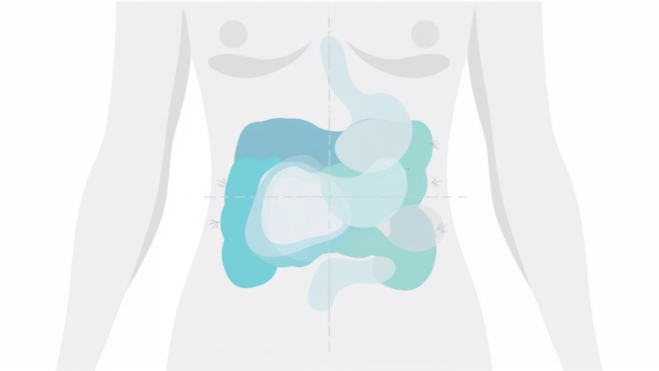
Below is a calm, region-by-region explanation of what discomfort in these areas can suggest, and what location alone does not mean.
Upper Abdominal Pain Location Explained
What Does Upper Middle (Epigastric) Pain Suggest?
Pain in the upper middle abdomen, just below the breastbone, is often linked to digestion.
Doctors commonly consider:
- Sensitivity after meals
- Temporary indigestion or bloating
- Stress-related stomach discomfort
This area is active during digestion, so mild or short-lived discomfort is common.
What it does not automatically mean:
Pain here alone does not confirm a serious stomach or heart condition.
What Does Right Upper Abdominal Pain Suggest?
The right upper abdomen contains organs involved in digestion and metabolism.
Clinicians often ask:
- Does the pain follow meals, especially heavier ones?
- Is it dull, tight, or pressure-like?
This discomfort often reflects digestive processes rather than disease.
What it does not automatically mean:
Right-sided upper pain alone does not confirm liver or gallbladder problems.
What Does Left Upper Abdominal Pain Suggest?
Pain in the left upper abdomen is frequently associated with:
- Gas movement
- Muscle strain from posture or activity
- Normal digestive motion
Sharp pain that settles quickly is often harmless.
What it does not automatically mean:
It does not usually indicate a heart problem when no other warning signs are present.
Lower Abdominal Pain Causes by Location

What Does Central Lower Abdominal Pain Suggest?
The central lower abdomen is influenced by bowel and bladder activity.
Doctors often consider:
- Bowel movement patterns
- Temporary cramping or pressure
- Menstrual-related discomfort in people who menstruate
This region is sensitive to everyday bodily changes.
What Does Right Lower Abdominal Pain Suggest?
The right lower abdomen draws attention because of structures located there.
Clinicians focus on:
- Whether pain is worsening over time
- Whether it started elsewhere and moved
- Associated symptoms like fever or appetite changes
Mild, stable pain that improves is often monitored first.
What it does not automatically mean:
A single episode does not automatically indicate appendicitis.
What Does Left Lower Abdominal Pain Suggest?
Pain in the left lower abdomen is often linked to bowel activity.
Doctors may consider:
- Diet changes
- Constipation or gas buildup
- Temporary bowel sensitivity
This area frequently improves with time and routine adjustments.
What Stomach Pain Location Alone Does NOT Tell You

Even with a clear chart, pain location alone does not provide a diagnosis or replace medical evaluation.
To understand how doctors interpret symptoms more broadly, including patterns, timing, and associated signs; you may find our guide on understanding symptoms and what they mean helpful.
Why Pattern and Timing Matter More Than Location
Clinicians often place greater weight on how pain behaves than where it is felt.
They look for:
- Sudden vs gradual onset
- Pain that spreads or moves
- Pain linked to meals, bowel habits, or stress
- Pain that disrupts sleep
A mild pain that comes and goes is interpreted very differently from pain that steadily worsens.
When Stomach Pain Can Often Be Monitored
Many episodes can be calmly observed when pain is:
- Mild or moderate
- Short-lived
- Improving over time
- Not accompanied by fever, vomiting, or weakness
Monitoring means paying attention and not ignoring symptoms.
When to Discuss Stomach Pain With a Clinician
It’s reasonable to bring up stomach pain if:
- It keeps returning
- It interferes with daily activities
- You notice changes in appetite, weight, or bowel habits
- You feel unsure or worried
Keeping simple notes about when pain occurs, how it feels, and what seems to influence it can make conversations clearer. For guidance on this approach, see our article on how to track symptoms effectively.
When to Seek Urgent Care
Patient-education guidance from the NHS explains that urgent assessment is appropriate if abdominal pain is accompanied by:
- Rapidly worsening pain
- Persistent vomiting
- High fever
- Blood in stool or vomit
Similarly, the Mayo Clinic highlights seeking care when pain is severe, ongoing, or associated with concerning symptoms rather than location alone.
Reassurance and Context
It helps to remember:
- One symptom rarely tells the full story
- Mild abdominal pain is extremely common
- Stress, hydration, diet, and routine changes affect digestion
- Clinicians focus on trends over time
This perspective aligns with broader health guidance from the World Health Organization, which emphasizes symptom interpretation in overall context.
Conclusion: Using a Stomach Pain Location Chart Wisely
A stomach pain location chart is a helpful orientation tool, not a diagnosis. Understanding what stomach pain in different areas means can reduce anxiety and help you describe symptoms clearly. What matters most is the pattern over time and how you feel overall.
If pain persists or feels concerning, it’s always reasonable to discuss it calmly with a healthcare professional. To better understand how symptoms are interpreted in context and to prepare for those conversations, visit the Symptoms Explained hub for more content.
Frequently Asked Questions About Abdominal Pain Location Meaning
Yes. Gas and muscle tension can cause pain to shift without indicating danger.
Yes. Gas can cause brief, localized sharp sensations that resolve on their own.
No. The same area can hurt for different reasons at different times.
Yes. Stress affects digestion and muscle tension, leading to predictable discomfort patterns.
Both matter, but severity, progression, and associated symptoms usually matter more.
Yes. Digestive activity, stress, posture, and routine changes can all affect how pain feels from day to day.