

To begin with, a Complete Blood Count (CBC) is one of the most common blood tests used in healthcare. Even though it appears technical, learning understanding your CBC results in simple language can make your health feel far less confusing. Your CBC can help identify anemia, infections, bleeding problems, immune changes, and more—even before symptoms develop.
If you’d like a general overview of how lab results are reported and interpreted across different tests, see our guide on understanding medical test results.
If you want a trusted overview of how blood tests work, you can also read this Mayo Clinic explanation.
What Is a CBC?
A CBC is a blood test that measures key components of your blood:
-
Red blood cells (RBCs) – carry oxygen
-
White blood cells (WBCs) – fight infection
-
Platelets – help with clotting
-
Hemoglobin & hematocrit – measure oxygen-carrying capacity
-
RBC indices – help determine the type of anemia
For a broader understanding of how CBC fits into other common medical tests, you may find this Guide to Understanding the Commonest Medical Tests.
Why Doctors Order a CBC
For a number of reasons, doctors commonly order a CBC when you experience:
-
Fatigue, weakness, or lightheadedness
-
Fever, dizziness, or unexpected weight loss
-
Frequent infections
-
Easy bruising or bleeding
-
Chronic illness
-
Medication monitoring
-
Pre-surgical evaluation
Because it is simple, quick, and informative, the CBC is often the first step in evaluating health concerns.
How the CBC Test Is Done
Once a test is ordered, a CBC is performed by taking a small blood sample from a vein in your arm. The process is fast and usually causes only mild discomfort.
You should howver take note that no fasting is required unless your doctor ordered other tests at the same time. Your values may temporarily shift due to:
-
Dehydration
-
Stress
-
Recent exercise
-
Infections
-
Smoking
-
Pregnancy
-
Medications (such as steroids or chemotherapy)
If you have been tracking symptoms while awaiting results, you may benefit from a guide on How to Track Symptoms Effectively
Understanding Your CBC Results
Your CBC results include several measurements. Each one tells a different part of your health story.
1. Red Blood Cells (RBCs)
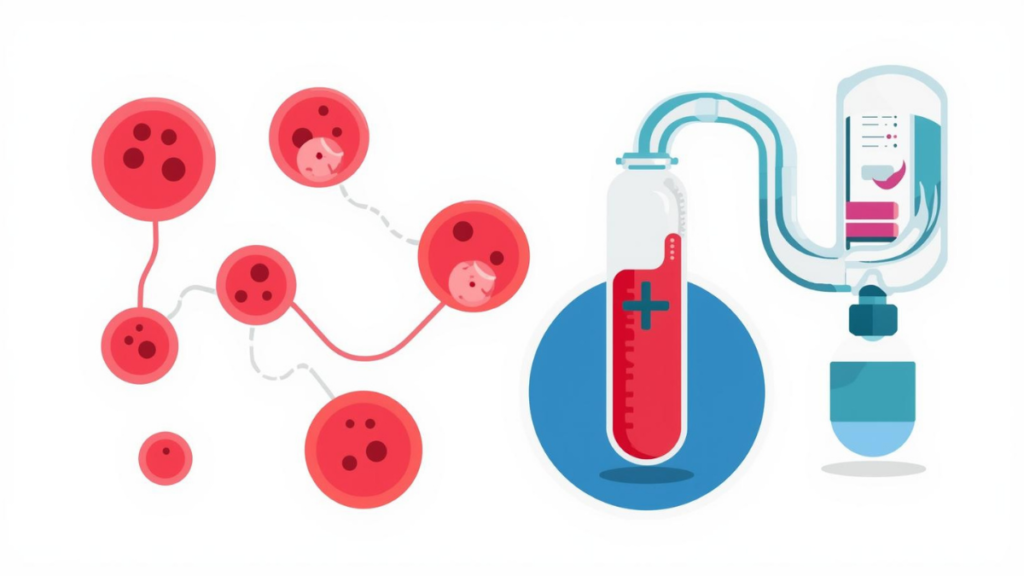
RBC Count
This measures how many red blood cells are in your blood.
-
Low RBC count often indicates anemia or nutritional deficiency.
-
High RBC count may appear in dehydration, smoking, or chronic lung disease.
Hemoglobin (Hgb)
Hemoglobin carries oxygen throughout your body.
-
Low hemoglobin → anemia, blood loss, or iron/B12 deficiency
-
High hemoglobin → dehydration, high altitude, or certain medical conditions
Hematocrit (Hct)
This shows the percentage of your blood made up of red cells.
Values typically rise or fall together with hemoglobin.
2. RBC Indices: Important Clues About Anemia
MCV (Mean Corpuscular Volume)
-
Low MCV → iron-deficiency anemia
-
High MCV → vitamin B12 or folate deficiency
MCH & MCHC
These measure how much hemoglobin is inside each cell.
-
Low levels → pale, small cells (common in iron deficiency)
RDW (Red Cell Distribution Width)
Measures the variation in RBC size.
-
High RDW often indicates mixed or early anemia.
3. White Blood Cells (WBCs)

In contrast to RBCs, White blood cells protect your body from infection and inflammation.
Total WBC Count
- High WBC → infection, inflammation, stress, or medication effects
- Low WBC → viral infection, autoimmune disease, bone marrow suppression
WBC Differential
Breakdown of different white cell types:
- Neutrophils → bacterial infections
- Lymphocytes → viral infections
- Monocytes → recovery or chronic inflammation
- Eosinophils → allergies or parasites
- Basophils → rare conditions
Each type helps identify the probable cause of infection or immune activation.
4. Platelets

Meanwhile, Platelets help your blood clot.
Platelet Count
- Low platelets → increased bleeding risk
- High platelets → inflammation, iron deficiency, or recovery phase
MPV (Mean Platelet Volume)
Shows whether platelets are newly produced or older.
Understanding Reference Ranges
Your CBC includes “normal ranges,” but these numbers can vary slightly between labs. It is completely normal for some values to sit a little above or below the listed range.
Important reminders:
-
Minor abnormalities often mean no disease
-
Dehydration can falsely raise values
-
Illness temporarily affects counts
-
Your personal baseline matters more than the population average
Doctors interpret your CBC in context, not in isolation.
Factors That Influence Your CBC Results
Importantly, your results may shift due to:
-
Recent infections
-
Hydration level
-
Stress and sleep
-
Physical activity
-
Pregnancy
-
Smoking
-
Sudden bleeding
-
Medication changes
Understanding these factors helps explain unexpected values.
When Your Doctor Might Repeat the CBC

Quite often, a repeat CBC may be recommended when:
-
An abnormal result needs confirmation
-
You were unwell during testing
-
Symptoms and results do not match
-
Medication may have influenced results
-
Your doctor wants to monitor a trend
CBC interpretation is often clearer when viewed over time.
When Additional Testing May Be Needed
Your doctor may order more tests depending on your CBC pattern:
-
Iron panel — if anemia is suspected
-
Vitamin B12 and folate levels
-
Thyroid function test
-
Inflammation markers (CRP, ESR)
-
Reticulocyte count — to check bone marrow activity
-
Bone marrow study (rare)
These tests help determine the underlying cause of abnormal values.
Questions to Ask Your Doctor About Your CBC
To make your appointment more productive, you can ask:
-
Which CBC values are most important for me?
-
Are my results slightly or significantly outside the normal range?
-
Could dehydration, illness, or medications affect these results?
-
Should we repeat the test?
-
What symptoms should I monitor?
-
What does this mean for my treatment plan?
For additional guidance on preparing for medical visits, you may find guidance on How to Prepare for a Doctor’s Appointment useful.
Conclusion: Understanding Your CBC Results Empowers You
Understanding your CBC results helps reduce anxiety, improve decision-making, and build confidence during medical appointments. While the numbers may seem complicated, each value provides clues about your blood health and overall wellbeing. Remember that the CBC is only one part of your health story. Your symptoms, history, and additional tests all play important roles.
To explore more plain-language explanations of medical tests, you may find MedlinePlus helpful.