

Understanding your health information shouldn’t feel overwhelming, yet for many people it does. Before going further, it helps to understand what health actually means, which goes beyond simply being free from illness. As a result, medical language can feel complex, lab results can be confusing, and navigating appointments often leaves patients unsure of what happened or what to do next. Whether you’re trying to make sense of your test results, wondering what your symptoms might mean, or preparing for an upcoming visit, this guide is designed to help you approach your health information with clarity, calmness, and confidence.
This comprehensive beginner-friendly guide breaks down the essential skills every patient needs to understand their health better. You’ll learn how to evaluate online health information safely, make sense of common medical tests, track symptoms effectively, prepare for appointments, read visit summaries, and understand follow-up instructions. By the end, you’ll feel more empowered and better equipped to take an active, informed role in your care. It is part of our Health Information Basics, which focuses on patient understanding rather than diagnosis.
If you’re completely new to navigating your medical information, you may find our Beginner’s Guide to Understanding Your Health Information a helpful place to start before diving into this more detailed overview.

1. How to Use Health Information Safely
Before interpreting test results or dissecting symptoms, it’s important to learn the foundation of safe, responsible use of health information. When used wisely, health information can empower you. When misused, it can create unnecessary stress or misunderstanding.
1.1 Why Safe Interpretation Matters
The internet provides millions of health-related pages, but not all of them are accurate or relevant. For example, misleading or oversimplified information can give false reassurance or create worry where none is needed. Understanding how to get through information responsibly sets the stage for clearer thinking and better communication with your healthcare team.
This kind of clarity depends on starting with a shared definition of health, which helps place test results and medical information in proper perspective.
Learning this skill makes it easier in regards to understanding your health information. It helps you worry less, avoid unnecessary anxiety, and stay focused on what truly matters for your wellbeing.
1.2 How to Evaluate Online Sources
Reliable health information should come from:
- Reputable medical organizations
- Government health agencies
- Hospitals or universities
- Clinician-authored education
- Peer-reviewed content
If you’re looking for clear, trustworthy health information that’s easy to understand, MedlinePlus is a great place to start. It’s a reliable resource created specifically for patients by the U.S. National Library of Medicine.
Be cautious with sources that:
- Use sensational or fear-based language
- Promise miracle cures
- Have no clear medical expertise
- Push products before education
1.3 What Online Health Information Can Do
When used correctly, online information can:
- Help you understand common terms
- Prepare you for a doctor’s appointment
- Give context for interpreting your results
- Reduce fear by explaining unfamiliar concepts
- Help you ask better questions
1.4 What Online Information Cannot Do
Even the best online resources cannot:
- Diagnose a condition
- Replace professional medical advice
- Account for your personal health history
- Interpret results in the context of your whole health
Predict what will happen in the future
1.5 A Safe Way to Bring Online Information to Your Doctor
Instead of saying, “I think I have __,” try:
“I read this online, can you help me understand whether it applies to me?”
This keeps the conversation open, calm, and collaborative.
1.6 Summary Checklist
✔ Check the credibility of your sources
✔ Focus on plain-language explanations
✔ Use information as a foundation, not a diagnosis
✔ Bring questions — not conclusions — to your doctor
2. Understanding Your Health Information Through Medical Tests
Medical tests are one of the most intimidating parts of healthcare for many people. Understanding medical tests in context helps prevent misinterpretation, reduce anxiety, and build confidence when reviewing results. Reference ranges, abbreviations, and unexpected numbers often cause worry, even when there’s no real problem. Understanding the basics helps prevent misinterpretation and builds confidence.
2.1 Why Medical Tests Are Ordered

Doctors order tests to:
- Look for potential problems
- Monitor long-term trends
- Measure how organs are functioning
- Rule out conditions
- Confirm diagnoses
A single test is rarely the whole story, it’s one piece of a larger picture.
In addition to tests ordered for symptoms or monitoring, many medical tests are done as part of routine preventive health screenings, which aim to detect potential issues early before symptoms appear. Our guide to preventive health screenings by age explains which screenings are commonly recommended at different life stages and why they matter.
Learning the basics of why tests are ordered is an important first step toward understanding your health information more clearly and with greater confidence.
2.2 Understanding Reference Ranges
Reference ranges are based on averages, not strict boundaries. In many cases, results slightly outside a range are often harmless and may reflect:
- Natural variation
- Hydration levels
- Recent foods
- Stress
- Medications
- Time of day
The goal is to interpret values in context, not in isolation.
This becomes clearer when looking at real-world examples. Hormone tests, particularly thyroid blood tests, often show mild or “borderline” changes that do not reflect disease or require treatment. If you want to see how clinicians typically interpret these situations, this explanation of what a slightly abnormal thyroid test result usually means offers a reassuring, practical example.
2.3 Common Factors That Influence Results
Your results may shift based on:
- What you ate
- When you last exercised
- Sleep quality
- Dehydration
- Recent illness
- Hormonal fluctuations
- Medications or supplements
Knowing these factors helps keep you from panicking over minor changes.
2.4 Overview of Common Types of Tests
Blood Tests (CBC, CMP/BMP, A1C, Lipids, Thyroid)
Blood tests examine cells, enzymes, electrolytes, hormones, sugars, and fats.
Metabolic Tests
These assess kidney and liver function as well as electrolyte balance.
Cholesterol Panels
Show long-term cardiovascular risk patterns.
Hormone Panels
Evaluate thyroid activity, metabolism, and hormonal regulation.
Urine Tests
Offer insights into hydration, kidney function, and infections.
Imaging Tests (X-ray, Ultrasound)
Provide visual information about structures inside the body.
2.5 What Test Results Do Not Tell You
- They cannot diagnose you alone
- They cannot predict disease progression
- They cannot replace a physical examination
- They do not reflect all aspects of wellness
2.6 Questions to Ask About Your Results
- Are any abnormalities significant for me?
- Do these results need repeating?
- What could have influenced the numbers?
- What changes should I expect over time?
2.7 Summary Checklist
✔ Understand why the test was ordered
✔ Review trends, not single values
✔ Ask for a plain-language explanation
✔ Avoid self-diagnosis using isolated numbers
3. Understanding Your Health Information Through Your Symptoms
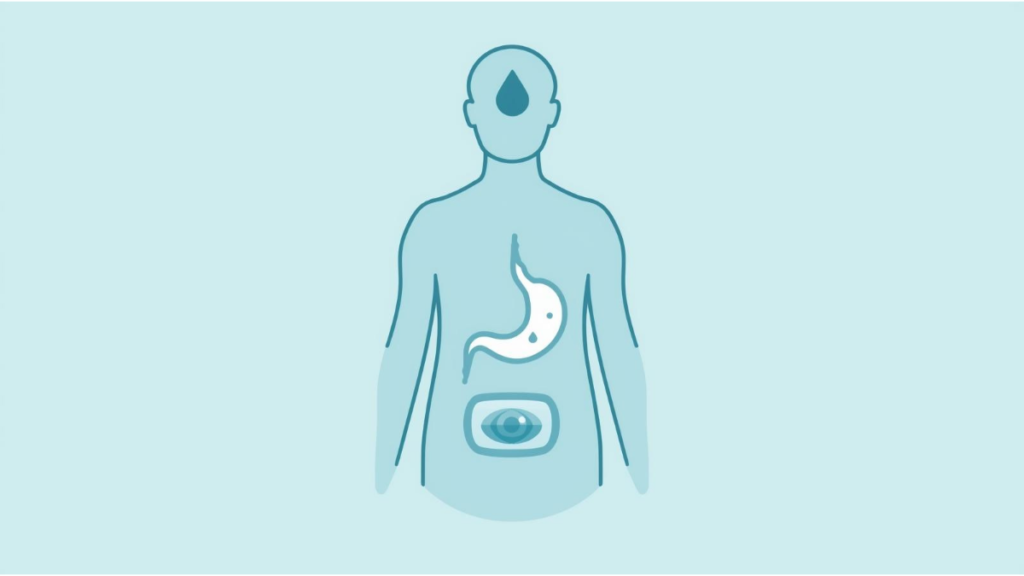
Symptoms can be confusing. The same symptom can have multiple potential explanations, and different people feel symptoms differently. Learning how to observe and document your symptoms helps your doctor interpret them accurately. This process is part of learning to read health information, where recognizing patterns and describing changes clearly matters more than medical terminology
3.1 Why Symptoms Often Feel Unclear
Symptoms vary in intensity and timing. They may appear suddenly or gradually, and can change based on activity, stress, meals, or sleep.
3.2 What Symptoms Can Tell You
Symptoms can help show:
- Patterns over time
- How your body is responding to triggers
- Which systems might be involved
- The impact on your daily life
Some symptoms, such as ongoing tiredness, are especially common and often misunderstood. Our article on reasons for constant fatigue explains how clinicians interpret persistent fatigue as a symptom, why it happens, and when it deserves medical evaluation.
3.3 What Symptoms Cannot Tell You
- The exact cause
- Whether a condition is mild or serious
- Which specific diagnosis is correct
Recognizing the limits of symptoms on their own can also help clarify when medical input is useful. Patterns, persistence, and impact over time often matter more than any single sensation.
Our guide on when to talk to a doctor about ongoing symptoms explains how clinicians usually make this judgment in everyday medical care.
3.4 How to Track Symptoms Effectively
A good symptom log includes:
- Date and time
- What you were doing
- What the symptom felt like
- Duration
- What improved or worsened it
If you want step-by-step help building a simple, reliable symptom log, check out our full guide on how to track symptoms effectively. It includes easy examples and ready-to-use templates.
3.5 Symptoms That Need Prompt Evaluation
While many symptoms are mild, seek timely care if you experience:
- Rapid worsening
- Chest pain
- Severe breathing difficulty
- Sudden confusion
- New weakness
- High fever with severe symptoms
3.6 Summary Checklist
✔ Track timing and triggers
✔ Describe symptoms in simple words
✔ Share clear notes with your doctor
✔ Seek help when symptoms escalate
4. Understanding Your Health Information During Doctor Visits
Many people leave appointments feeling confused or unsure. Proper preparation for doctor visits helps you feel organized, respected, and empowered, and leads to better outcomes.
4.1 Why Preparation Matters
Appointments are short. Going in with clarity helps ensure your concerns are heard and addressed.
4.2 What to Write Down Before the Visit
- Your main concern
- Top questions
- Symptom checklist
- Medication and supplement list
4.3 What to Bring With You
- Recent test results
- Any home monitoring logs
- A trusted support person (optional but helpful)
4.4 How to Ask Clear Questions
Try asking:
- “Can you explain that in simple terms?”
- “What is the plan moving forward?”
- “What should I be watching for?”
4.5 How to Confirm Next Steps
Before leaving, ensure you understand:
- What you should do next
- When follow-up is needed
- Why each step matters
- Any precautions you should take
4.6 Summary Checklist
✔ Prepare your questions
✔ Bring test results
✔ Take notes
✔ Confirm all instructions
5. Understanding Your Visit Summary and Next Steps
After your visit, you may receive a printed or digital summary. These documents help you keep track of decisions made during the appointment.
5.1 What’s Usually Included
- Diagnoses or concerns
- Tests ordered
- Medications prescribed
- Follow-up instructions
- Warning signs to monitor
5.2 How to Read Your Summary Simply
Focus on:
- The reason for the visit
- The main findings
- What you must do next
- When to return
5.3 Understanding Referrals
Referrals help you see specialists who can provide additional evaluation or treatment.
5.4 Understanding Treatment Plans
Make sure you know:
- How long to take medications
- What improvements to expect
- When to follow up
- How to monitor changes
5.5 Staying Organized After the Appointment
Keep summaries in a folder or digital file. This builds your personal health record.
6. Building Your Personal Health Record
Keeping your own health record is helpful, especially if you have multiple providers. This habit is part of organizing your medical records, which makes it easier to track decisions, follow instructions, and share accurate information with future healthcare providers.
6.1 Why It Helps
- Creates continuity
- Helps track trends
- Simplifies future appointments
6.2 What to Include
- Labs and imaging results
- Appointment summaries
- Medication lists
- Symptom logs
6.3 Digital vs Paper Tools
Choose whatever you’ll use consistently, an app, notebook, or binder; all work.

7. Common Myths and Misconceptions About Health Information
Myth 1: “Abnormal means dangerous.”
Not always – context matters.
Myth 2: “Normal means nothing is wrong.”
Symptoms still matter.
Myth 3: “Symptom checkers are accurate.”
They often oversimplify.
Myth 4: “Google provides a diagnosis.”
It cannot.
Myth 5: “One test tells the whole story.”
Diagnosis is a combination of symptoms, history, tests, and examination.
8. When to Seek Help
Seek professional care if you’re unsure about symptoms or results.
Seek urgent care for:
- Chest pain
- Trouble breathing
- Severe allergic reactions
- Sudden confusion
- Sudden weakness
- Rapid worsening symptoms
Conclusion: Understanding Your Health Information With Confidence
You don’t need medical training to understand your health information. With the right tools, clear questions, simple explanations, basic test knowledge, and good preparation, you can feel more in control and less overwhelmed.
Understanding your health is a journey, and this guide gives you the foundation to approach it with confidence, clarity, and calm.
With a bit of practice, you’ll notice that understanding your health information feels more natural, making it easier to take an active role in your own care.
As you start feeling more confident with this information, our simple guide to preparing for a doctor’s appointment can help you put these skills to use at your next visit.
Frequently Asked Questions About Understanding Your Health Information
Your health information includes test results, symptoms, and notes from your doctor that help describe how your body is functioning. It is meant to guide clinical decisions, not to label you as healthy or sick on its own. Most information needs explanation and context to make sense.
Yes. Medical reports are written for clinicians, not patients, and often use technical terms and numbers. Feeling unsure or anxious when reading them is very common and does not mean something is wrong.
Not necessarily. Many results fall slightly outside the reference range without indicating illness. Doctors interpret results alongside symptoms, medical history, and repeat tests before drawing conclusions.
Some online health information is reliable, but much of it lacks context or personalization. Online resources are best used to understand general terms not to diagnose or predict outcomes. Your clinician remains the best source for interpretation.
You should talk to a doctor whenever results or symptoms feel unclear or concerning to you. Even if something turns out to be harmless, asking for clarification helps reduce anxiety and ensures you understand what matters for your health.